Dendritic Ground Systems
Table of Contents
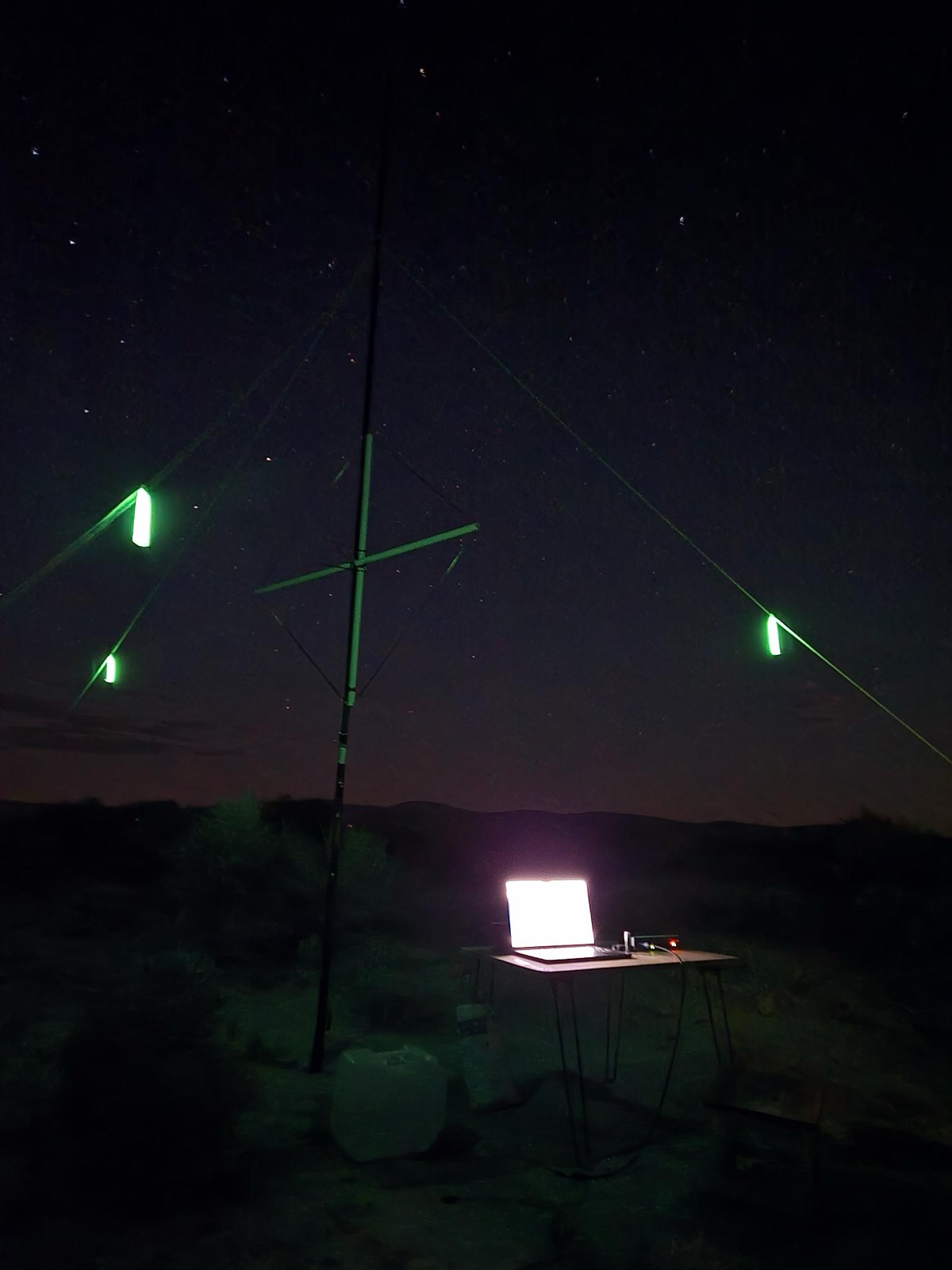
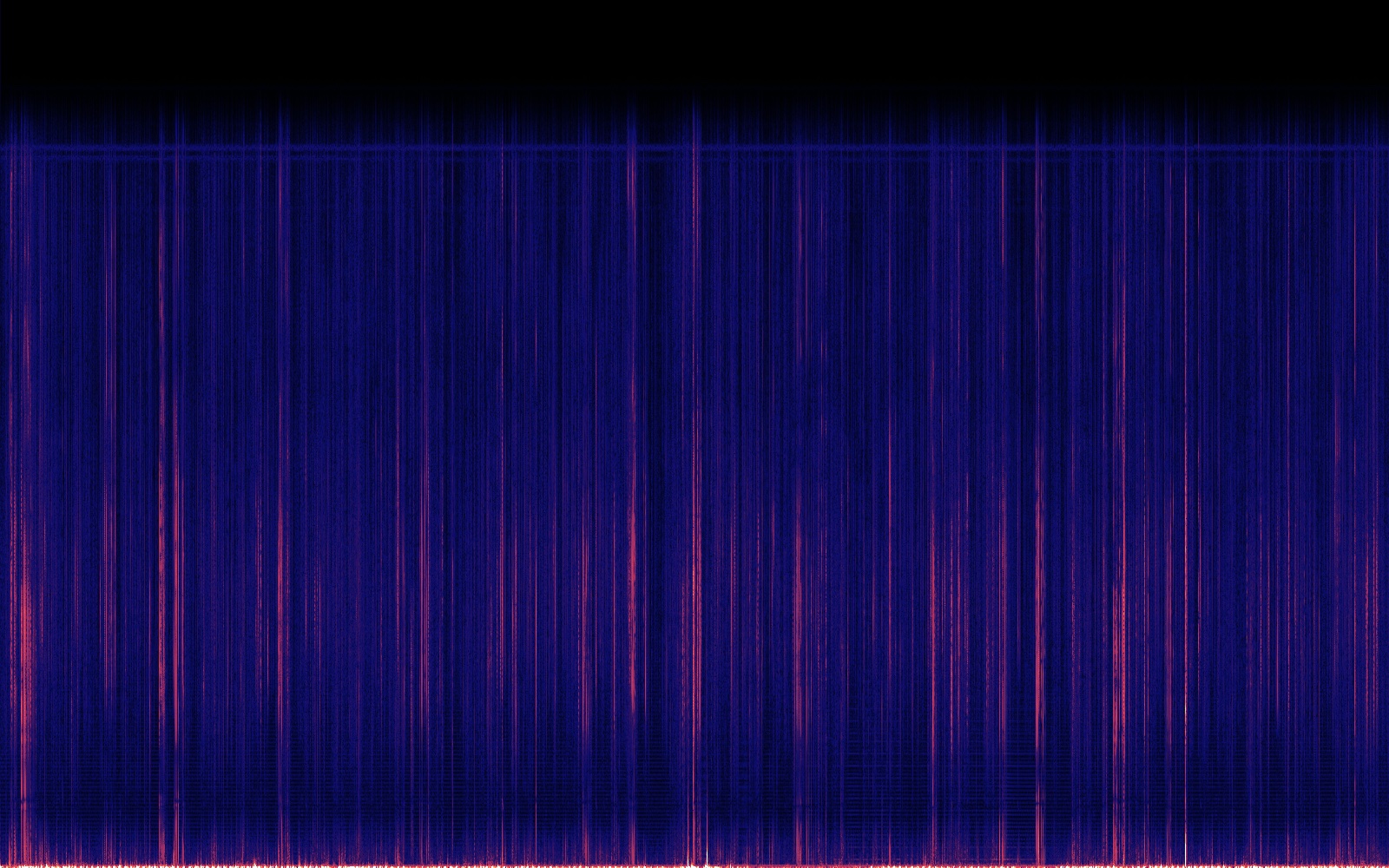
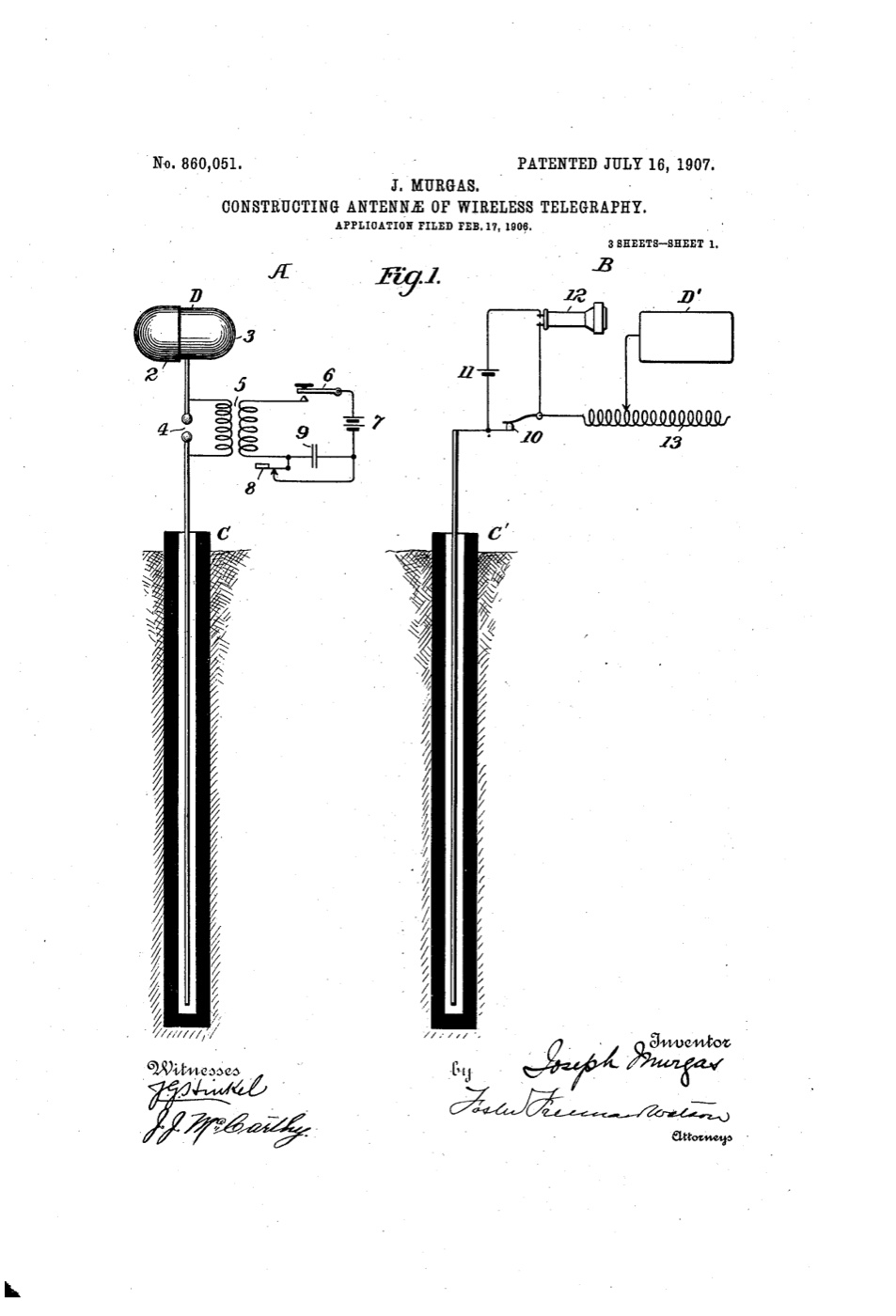
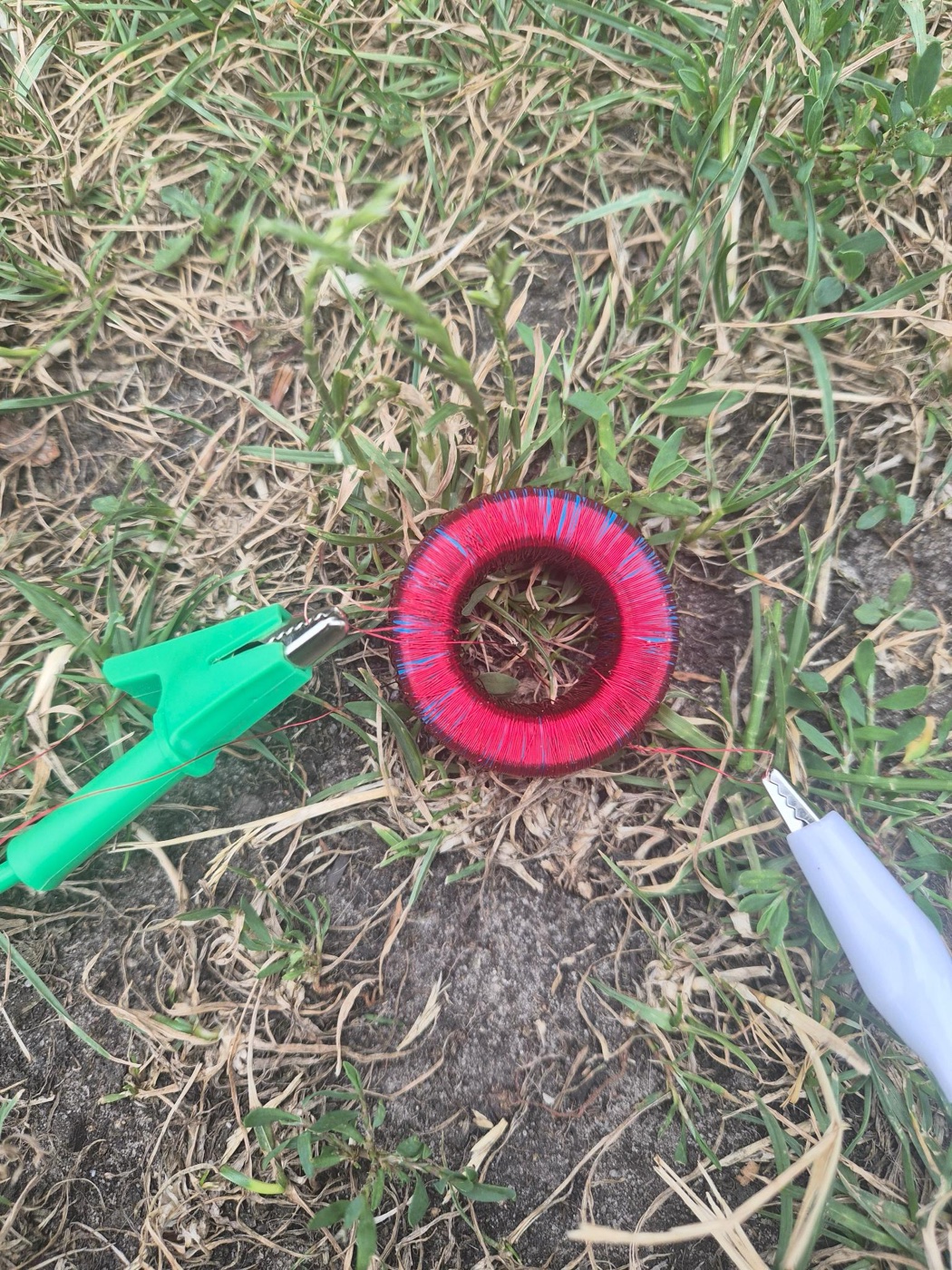
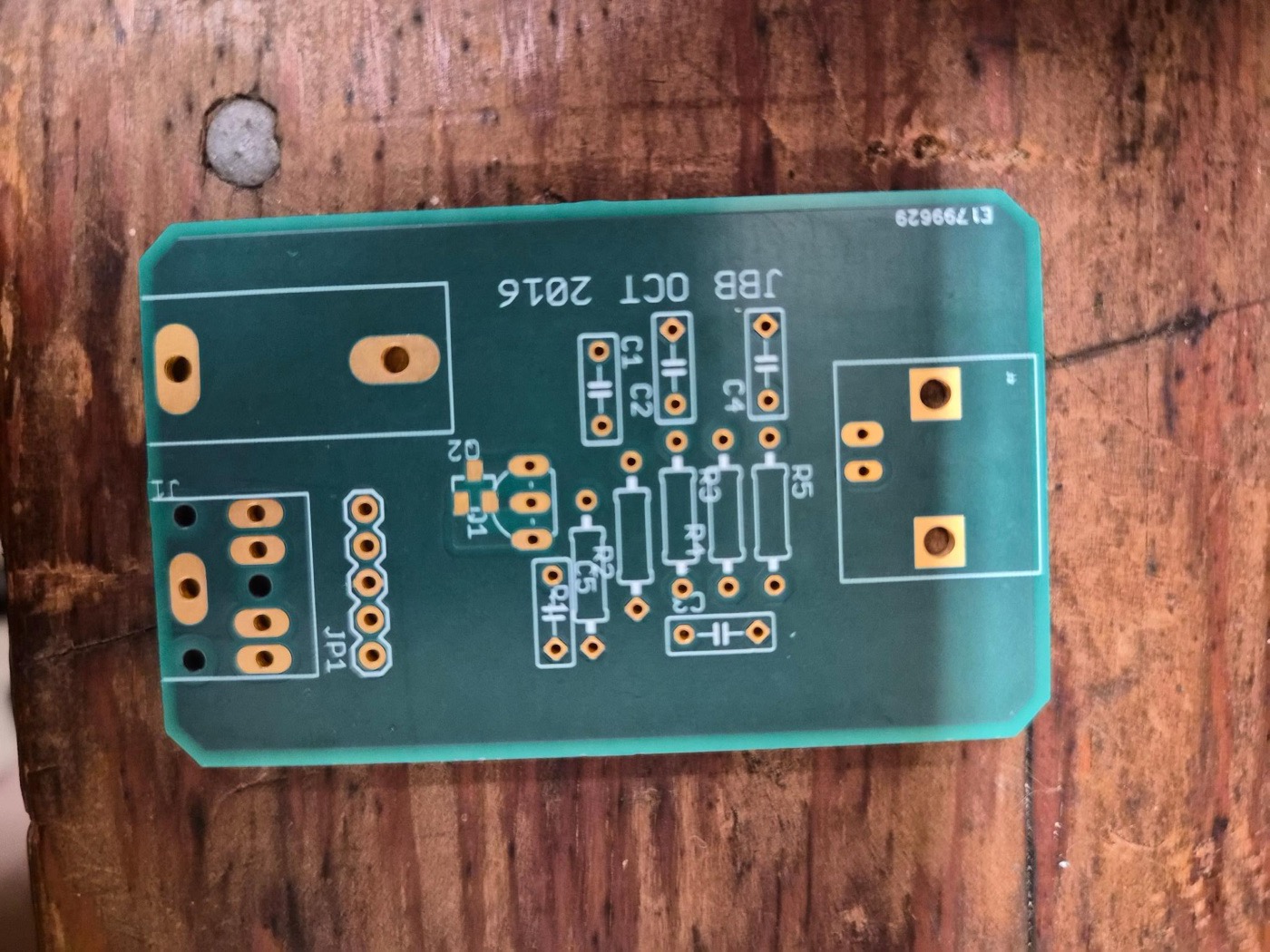
Dendritic Ground Systems places antennas in the ground instead of the air. Each receiver is an insulated copper rod sealed inside an acrylic conduit and sunk vertically one meter into the earth, isolated from the soil around it, after a construction for wireless telegraphy antennas that Jozef Murgaš patented in 1907. At very low frequencies, below about 30 kHz, the antenna picks up sferics from lightning strikes thousands of kilometers away, whistlers that have traveled out along the Earth’s magnetic field lines and back, and the military and navigation beacons that occupy that part of the spectrum. Since the audio and radio frequency domains overlap in this band, the signal goes straight from a high-impedance preamp into a sound interface with no radio in between. No license is required for listening, only transmitting.
One buried rod is a single root, and several of them spread across a site, each with its own preamp and power, form a branching system under the ground that senses and connects, which references the behavior of slime tube networks and pea roots which I am currently exploring in my radio protocol research. The ground in the title does double work, since it is both the soil the antennas live in and the electrical ground these receivers depend on. The project is at an early stage, so what follows is a mood board rather than a description of a finished piece.

Related projects
Radio Protocol Research · sig-x · Plant-to-Plant Protocols · Physarum Controlled Oscillators